
Intro
Back around 2013, my father decided to purchase a gaudy sports car. I don’t exactly know why he did it, but he went to the dealership and bought a 2013 Hyundai Genesis Coupe. It’s a nice car, but it was very obviously meant for presentation over practicality. For nearly a decade and a half we had it, it functioned mostly as the car you use when nothing else is available, or the one you use when you’re bringing along one person.
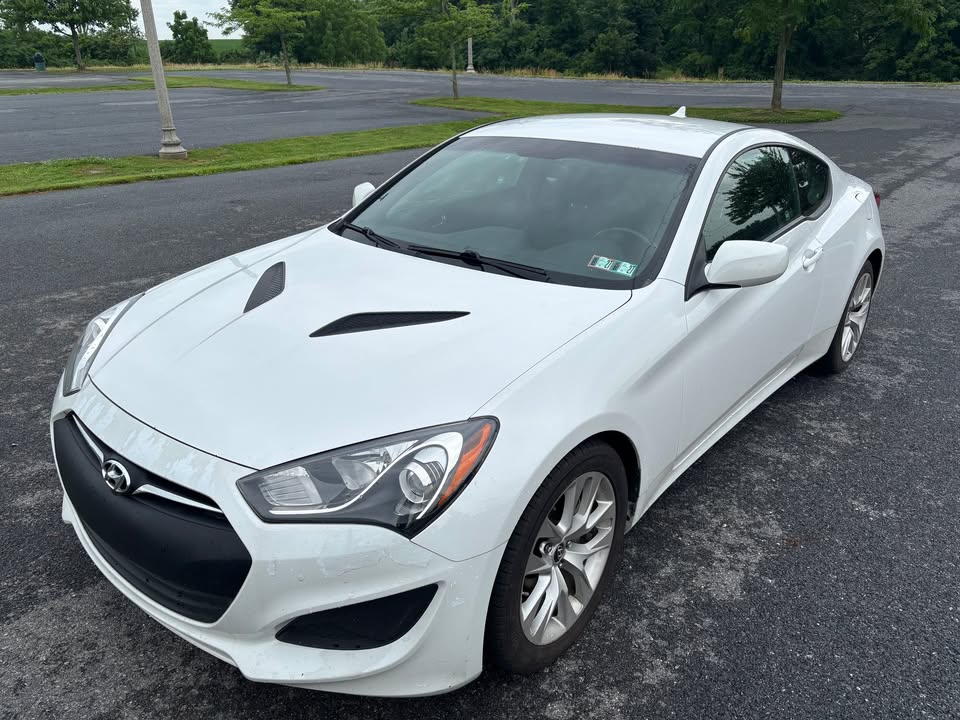
Earlier this year, he had begun to talk about selling the old car. The reasons were numerous: it was impractical, old, lacking safety features, and we just didn’t need a sports car. After a while of discussion, he and my mother had decided to go to Carvana, a popular app that will buy used cars up front for much below market price, but handles everything so that you don’t have to do any work. So they looked up how much they would get for it, and frowned.
$2,000 isn’t a bad sum of money, you can buy a lot with it. A fair few months of groceries, a month or two of rent, an above-average computer build, but in the market of cars, it really isn’t all too much. The price of the new car was around $25,000, so a return of less than 10% wasn’t the most appealing. They deliberated on this for a while, looked at their son who wasn’t doing anything at the time, and had an idea.
I was going to field, clean, repair, and sell the car privately. This not only increased the amount that they would get from the car due to there being no dealer to pocket their margin, but it was only a little bit more work for them. Plus, it gave me some experience, which is always nice.
Prep the Car
The first step with selling a car is to make sure it works. The car has had some brake problems in the past, and taking it to a shop revealed that a major part of the brakes had to be replaced. These are costs that cannot be avoided and must be paid in order to sell the car in a working state. Of course, you could sell the car without fixing these problems and just disclose them, but the same people who are looking for used cars on platforms like Facebook Marketplace aren’t likely to be the people to buy a not-working car. Ultimately, it’s up to your judgment.
After this, gather everything you can about the car. Every record, every maintenance receipt, any extra keys and manuals. Everything must go when changing owners. While doing this, take note of the mileage, as that will also influence the price of the car.
In addition, make sure to thoroughly clean the car the best you can. Presentation is key!
Price It
There are a multitude of websites that will price cars. Kelley Blue Book and Edmunds are the two notable ones, but gathering more will help with getting the most realistic price range for it. Checking sold listings for the same car in similar condition on sites like Facebook Marketplace gives the most accurate price information due to them being real and not hypothetical calculators. When listing the final price, shoot higher than what you think it’s worth, as it can always be negotiated down.
Photos
Take as many photos of as many important parts of the car as you can. Typically, get photos that show the front, back, and sides of the car from an even angle, in order to provide the most accurate image of any damage to the car. Get photos of the inside as well. Take the photos in a neutral area, like parking lots or public roads, so as to not accidentally dox yourself while taking them. On the same topic, cover up the license plate number, as that can be used to track info on the car and you.
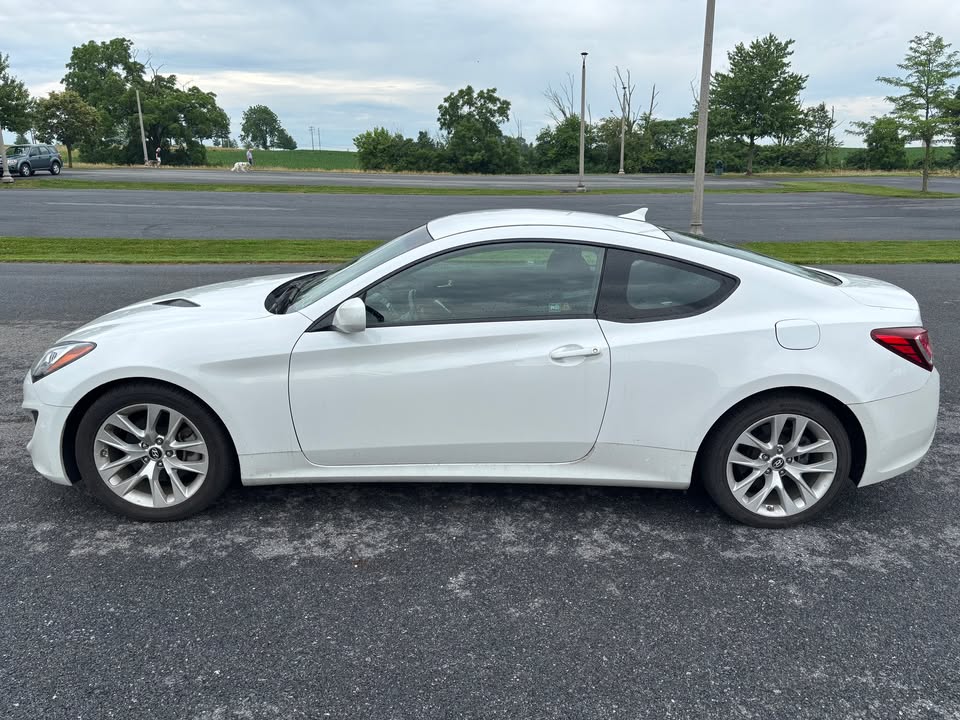
For lighting, go whenever you think the car would look the nicest, but the option I personally use is to wait until the light doesn’t cast a lot of shadows. This prevents covering up of certain details you may want to highlight, and just lends itself to a better photo.
If there are flaws with the car, make sure they are easily visible in the photos. This saves from conversations where you have to mention the problem over and over, and putting it up-front saves time negotiating. Same goes for the big stuff. If the paint is peeling or something else is obviously wrong, put a clear photo of it in the listing. People can handle ugly. They hate surprises.
Personally, I did not take as detailed shots with the car. I didn’t take shots of the engine bay, trunk, tires, odometer, and other niche places. I wanted to keep it simple, and the grand majority of people won’t care if you have them. Doesn’t hurt to have, so try to do it, but don’t beat yourself up if you forget.
Listing on Facebook Marketplace
The title when listed should include the make of the car in full, including year. On a site like Marketplace, it gives areas for you to fill out mileage and other information, but on sites without these areas that information must be filled in manually. Make sure to disclose all important information that you think people would ask about on the description, as this cuts down on people asking simple questions and spamming your inbox.
When dealing with these messages, state the information in a friendly tone, and don’t let the annoyance get to you. If people try to lowball, firmly tell them that you will not accept their offer. If they ask for a history report, share it with them on a site like Carfax or give it to them directly.
Marketplace is the one that we decided to use, but other alternatives like Craigslist exist. Our choice to use it was out of convenience, as we already had access to a verified account that had purchased stuff on there beforehand, giving us an amount of credibility.
Screening Buyers, Test Drives, Payment
When you decide to meet up with buyers, make sure that they are trustworthy by looking at their page and if they have made purchases in the past. If they do appear to be safe, bring a second person just in case. In the likely scenario that they want a test drive, verify that they have a license, which isn’t necessary for older people, but younger people who want a first car should be checked.
When a buyer is set on buying the car, agree to a price before any paperwork for payment is filed. Only accept verified cashier’s checks or cash, as other methods can lead to scams or chargebacks.
As for where to meet up? Many cities and townships will have “Safe Exchange Zones” (sometimes called Safe Trade Zones, SafeTrade Stations, E-Commerce Exchange Zones, or Internet Purchase Exchange Locations). These are often near police stations or other government buildings and often monitored by camera. If you are particularly worried about safety, search for the closest Safe Exchange Zone near you. Otherwise, it’s good to meet near an auto tag agency (where the title can be signed over) and/or your bank (where you can verify the cashier’s check).
Paperwork: What the Seller Needs
A list of paperwork that you need is as follows:
- An original PA title, in your name — no copies, no white-out; all owners on the title must be present
- Lien released (payoff letter / released on title) if there ever was one
- Valid photo ID matching the name on the title
- Odometer reading (goes on the title, Section A — vehicles under 10 yrs old)
- Bill of sale — not required in PA, but do one anyway (names, addresses, VIN, price, date, mileage)
If the title is lost, fill out form MV-38O to receive a duplicate title.
The full sheet of things needed can be found in PennDOT’s buying or selling fact sheet.
Signing Over the Title — the Auto Tags Agency
Pennsylvania requires that both the buyer and all owners of the car sign in front of a notary. Title transfers don’t happen at a DMV. This is done at a PennDOT-authorized agent (“auto tags” service).
At the counter, you must fill out Section A, which comprises buyer info, sale price, date, and odometer. Your signature must match the one on the title. The buyer must fill out Section D. The notary will check IDs and signatures, then stamp the title. The agent will file everything with PennDOT electronically. The buyer pays at the counter for the title and tax. The buyer must also have ID and proof of auto insurance.
Out-of-State Buyer: The Temp Tag Wrinkle
If your buyer is coming from out of state, they will want to register their car in their own home state. The plates on the car stay with you, so the buyer needs something to drive home with. Luckily, in-transit or temporary tags can be issued, allowing the buyer to drive home and file for a title in their home state. These should be issued at the same agency you transfer it at, so call ahead to make sure the agency will do temporary tags, as not all will. The buyer shows the title, their ID showing they are from a different state, and proof of insurance. This tag only covers the drive home.
After the Sale
Remove the plates from the car before they leave. They must be either transferred to a new vehicle or taken back to PennDOT. Insurance should be kept until the transfer is done, then cancelled or changed. Keep a copy of the bill of sale for documentation purposes. Finally, cancel everything tied to the car such as parking passes and EZ-Pass.
Wrap-up
To recap, the steps are:
- Fix any problems with the car
- Clean it
- Search for price of car using websites and field research
- Take professional photos of car
- Set up the listing page
- Negotiate with buyers, set up test drives, give all information when asked
- Collect all necessary paperwork including the title, the lien, valid ID matching the person on the title, odometer reading, and bill of sale
- Sign over the title at a notary, filling out all required forms
- Remove plates from car
- Cancel insurance, parking passes, and EZ-Pass
Overall, it took a bit less than a month to sell the car. Preparations took about a week or two (setting up the Marketplace page, cleaning the car, taking it to the shop) and selling it took another week or so. It was a lot faster than I realized, as I had thought it was more of an involved process. While still taking a while, it is much easier than most people realize.
How Did It Work Out for Us?
After putting about $2,000 into the car to fix some issues and clean it up, we were able to sell it for about $8,000. Dad and I split the difference earned versus the Carvana quote. Not bad for a bit of work that was mostly putting the listing together and replying to a few messages in my dad’s Facebook account.
References
- Kelley Blue Book
- Edmunds used car appraisal
- Facebook Marketplace
- Carvana sell my car
- Carfax
- Craigslist
- PennDOT: Buying or Selling Your Vehicle in PA
- PennDOT: How to Title and Register Your Out of State Vehicle
- PA title transfer step-by-step (tag agency)
- PA title transfer checklist
- 60-day in-transit temp tags
- DMV.org PA selling paperwork